Insurance coverage is always a very individual matter and depends above all on your personal risk assessment. What is important for everyone, however, is to decide on a package on a fact-based basis before renting the vehicle, and not to let yourself be upgraded by the horror scenarios of the rental vehicle salesperson. A substantial part of the revenue of the vehicle insurers comes from the upgrades, in particular the insurance packages.
All vehicle rental companies list the scope of their insurance packages online. It is best to choose the right insurance coverage before picking up the vehicle, and then not to let yourself be talked out of your decision.
What you need to consider
- Some roads are forbidden to drive on, or rather you are not insured on them. Australians are very lazy and like to make things easy for themselves, which is why something is often closed instead of being repaired quickly.
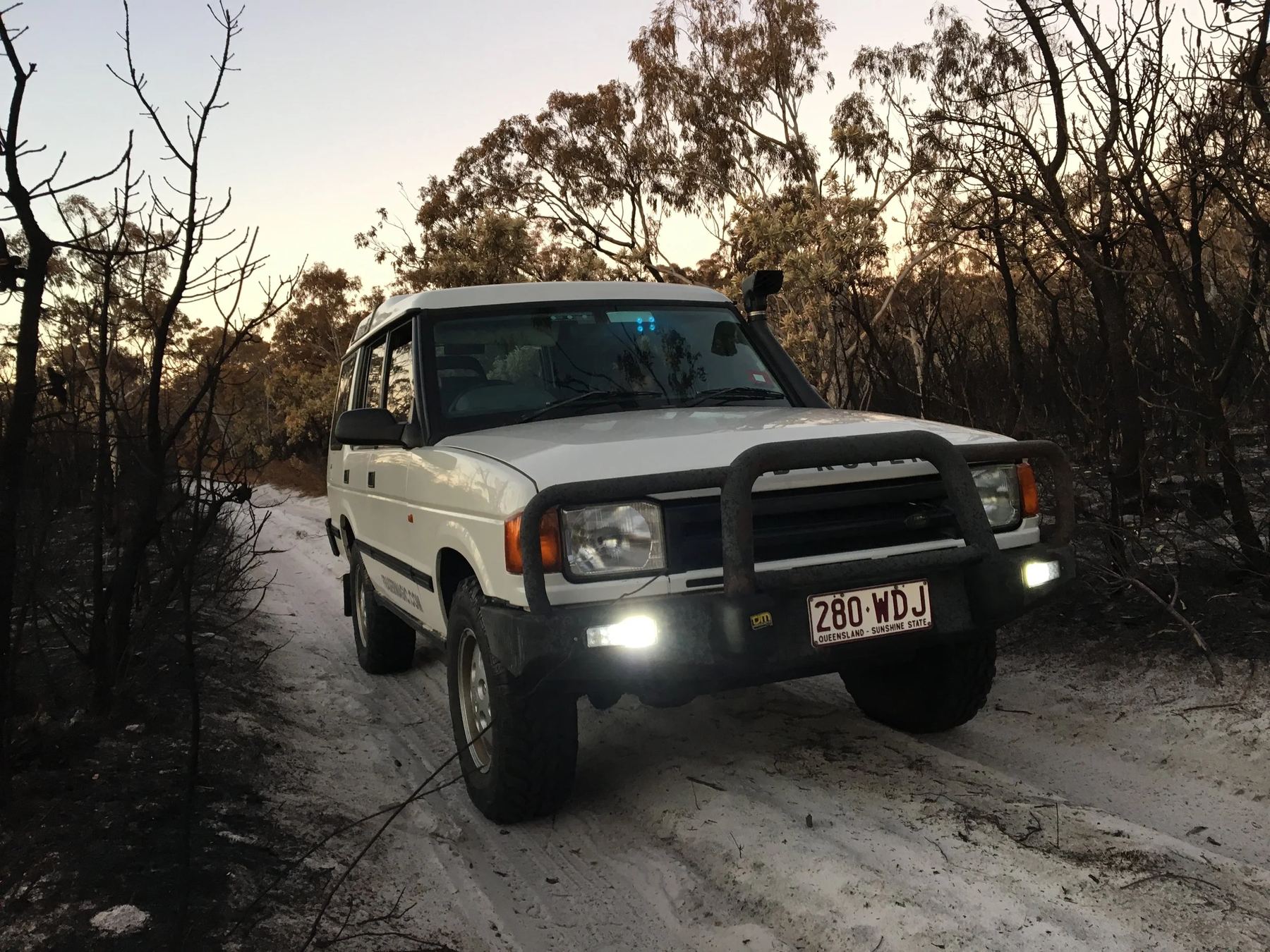
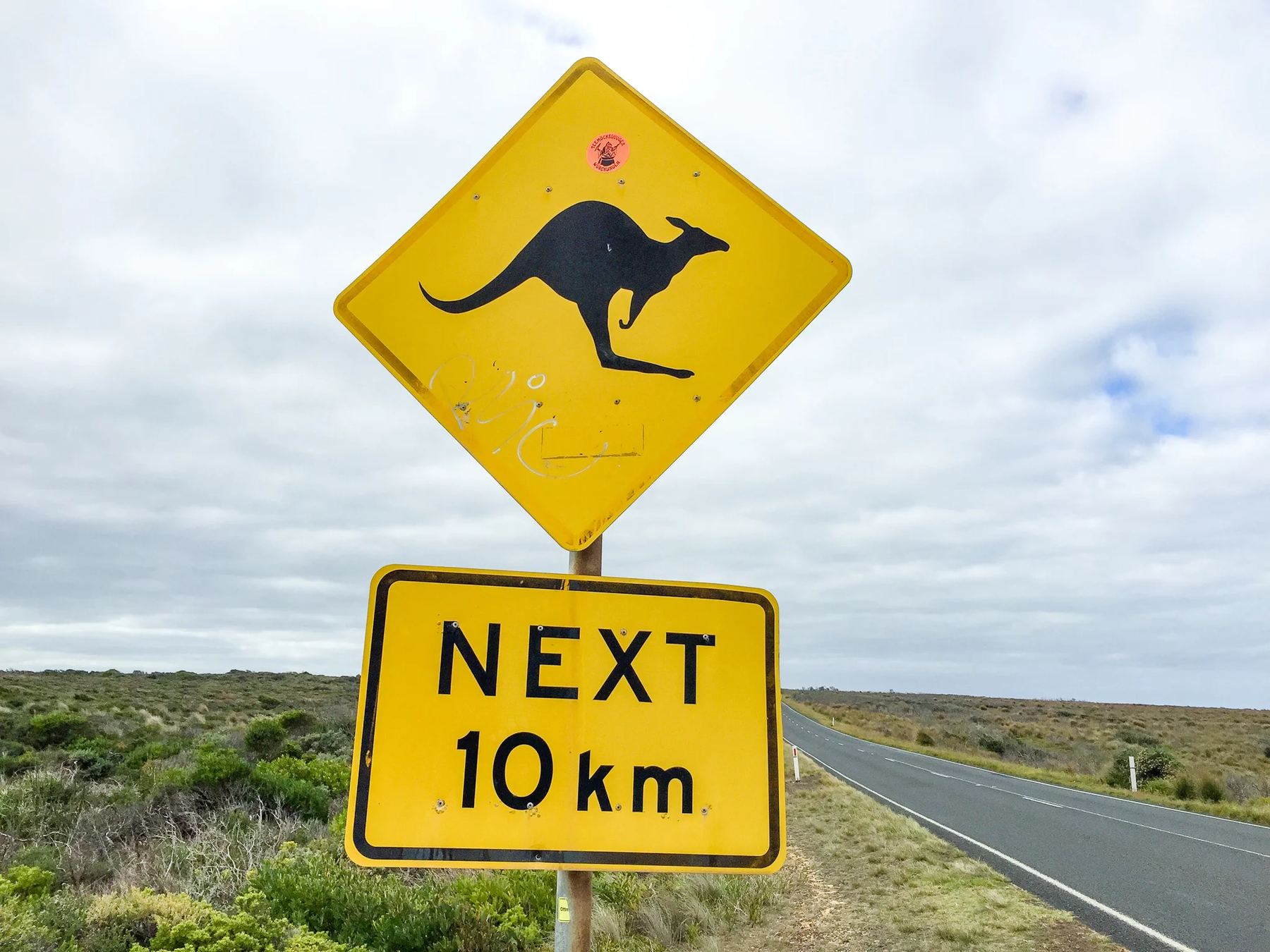
A typical example on Fraser Island: many of the vehicle rental companies do not allow you to drive two hours before or after high tide. The fact is, however, that what matters most is the tide height. If the water rises only half a metre, you can definitely still drive on the beach during high tide. It is best to look at the conditions on site to see what they really are like and, if necessary, do what other drivers do as well. - Insurance coverage for driving at night, at dusk and at dawn is excluded by many vehicle rental companies, because that is when most animals such as kangaroos are out and about. Here you have to weigh things up: if you have a solid 4WD (off-road vehicle) such as a Toyota Landcruiser, you drive over kangaroos - as cruel as it may sound - without any damage. Besides, it is above all important to drive slowly at night (60-80km/h); that way you can usually stop in time. It happens to many people that they drive slowly at the beginning, but then feel safe and drive faster and faster. Discipline is important here, and the front passenger has to help keep an eye on the speed.
- Australians like to avoid the whole subject of driving at dusk/dawn and at night because of the animals. Here, too, you have to weigh things up: of course you can simply not drive at those times, but bear in mind that during the Australian winter the daylight hours are very short, while the distances are huge and your time is always too short. That is why it can hardly be avoided, especially in winter, to also drive in the dark.
- Many rental companies also exclude damage to the top and the underside of the vehicle. Here it is above all important to keep an eye on the vehicle height, which is usually stated at the top of the windscreen on the driver’s side. Highways, petrol stations and bridges are rarely a problem, but underground car parks of shopping centres and covered car parks are a problem.
- Do not let yourself be impressed by big numbers
It becomes really outrageous with some providers, who for a standard insurance sometimes debit an excess of AUD8000 rather than just blocking it. If no damage has occurred, you get it refunded to your credit card up to 3 weeks later (!). You are, however, left with the 2.2% credit card fees (with an excess of AUD8000 that is AUD176). Together with the rental costs and the excess, you very quickly end up above AUD10,000 being charged to the credit card. Instead, you can also take out expensive insurance packages (e.g. AUD500 for 10 days of rental), which reduce the excess to AUD500 depending on the provider. The insurance policies, however, often do not cover the actual risks, but only protect against nonsensical risks. Examples:- Keys locked in the car. With almost all 4WD vehicles it is not even possible to lock the key inside.
- Tyre-changing service: a flat tyre is annoying, but the last thing you want on top of that is to wait half a day for help somewhere in the Outback. Better to watch a YouTube video beforehand and change the tyre yourself, that is considerably faster. Apart from that, Australians are very helpful and if you break down you get support straight away.
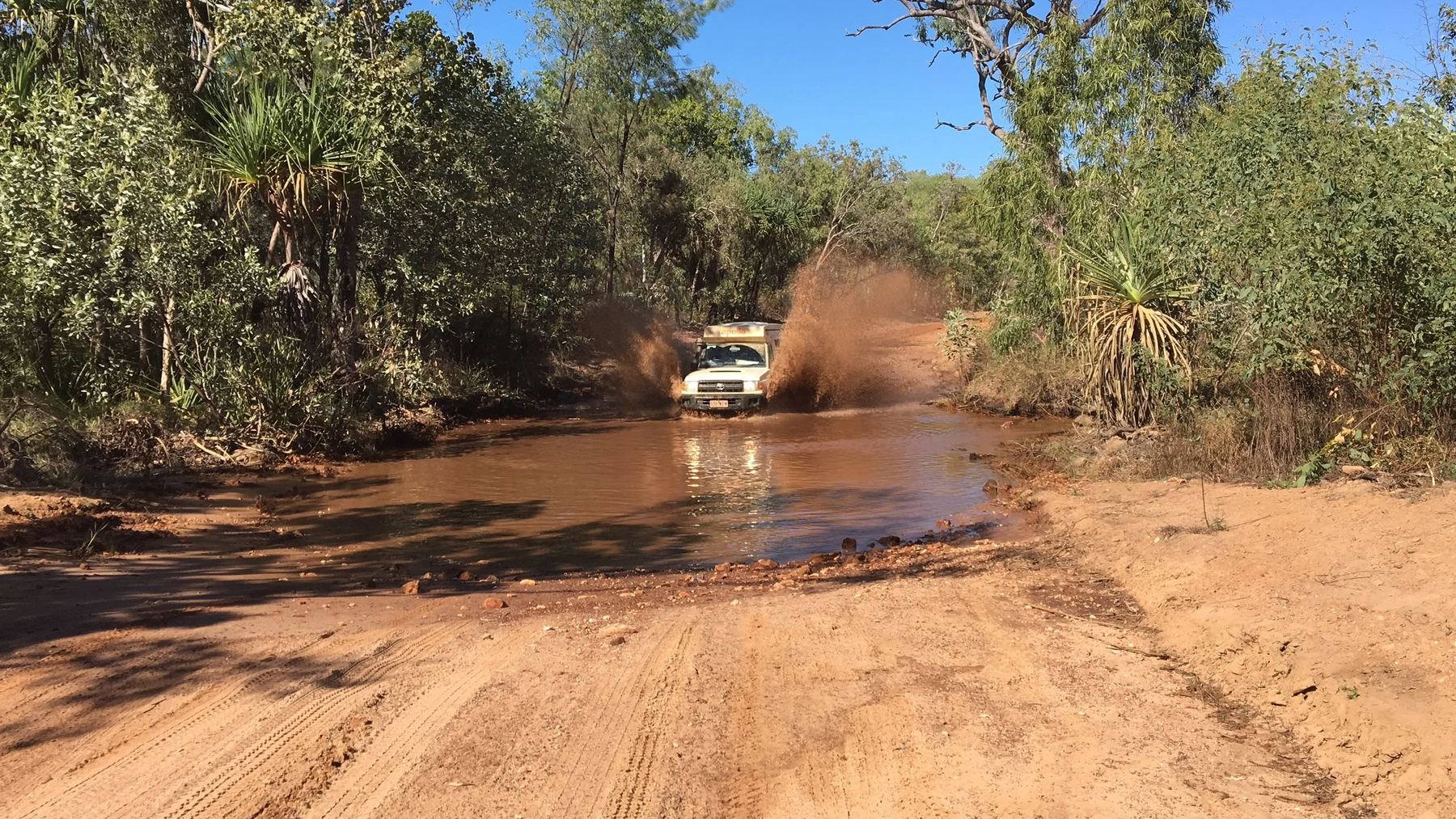
- If you go onto unsealed roads (4WD), the risk is high that you will need a new windscreen because of stone-chip damage. Oncoming vehicles and in particular Road Trains frequently fling stones around. If, on the other hand, you stay on paved roads and highways, the risk is low.
- Traffic accidents with other vehicles are almost impossible anyway, especially in remote areas. If you encounter 20 vehicles in 2 weeks, that is a very low risk. On unsealed dirt roads you can also spot vehicles and Road Trains very easily by their dust cloud. Because of the long distances, many of the roads run straight ahead with a clear view for kilometres.
- The probability of a flat tyre is considerably higher on unsealed roads than on paved roads.